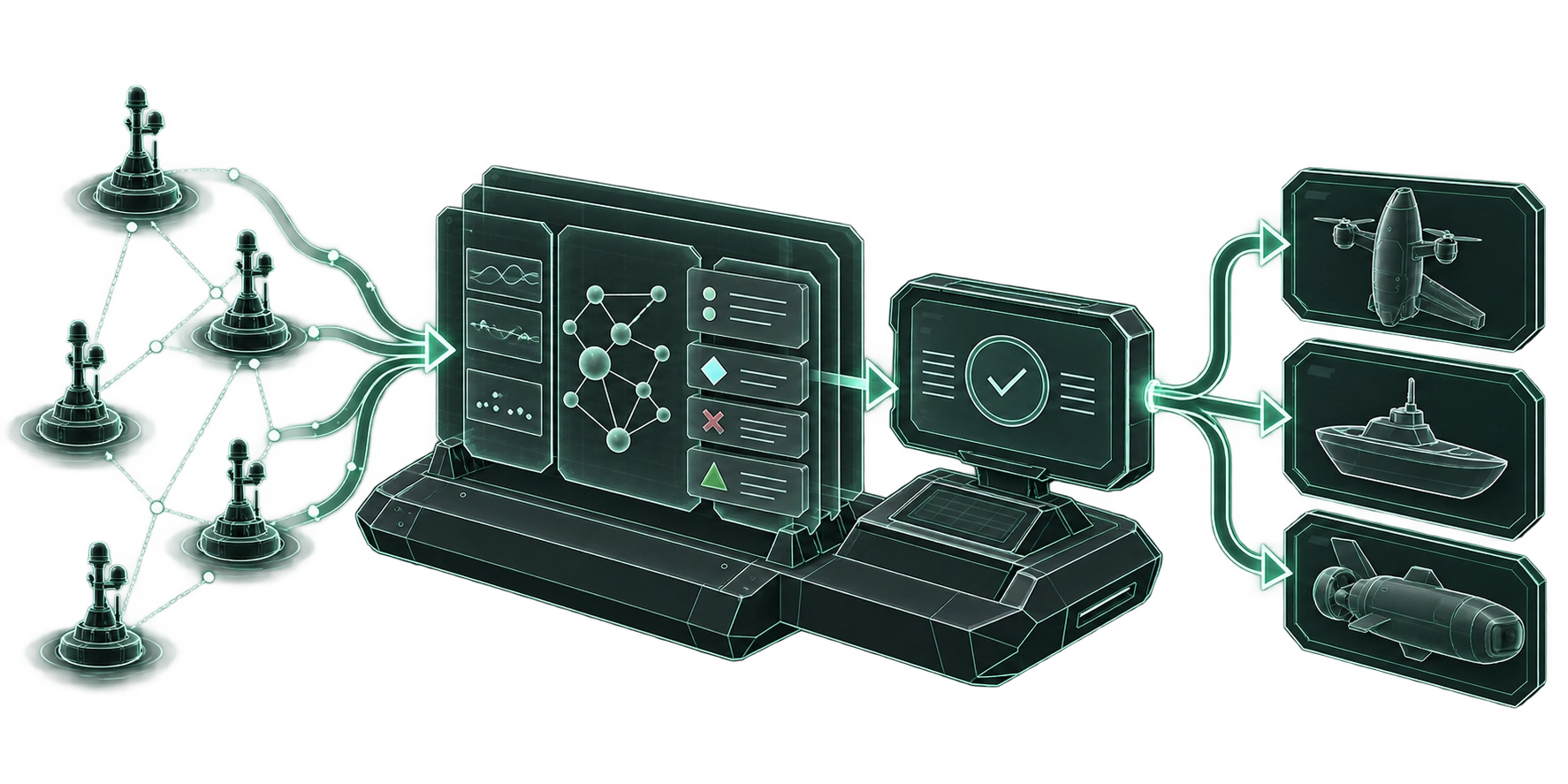
TRIDENT brings sensing inputs, multi-source correlation, controlled classification hypotheses, human review, response planning and mission reporting into a single operator-centered workflow.
Access-controlled demonstration. No real-world command, transmission or physical execution.
+ ONE REVIEWABLE WORKFLOW
TRIDENT
SURFACESUBSURFACEAIR
01 / INPUTS
Sensing & source context
02 / DECISIONS
Human review & authorization
03 / OUTCOMES
Traceable mission review
Conceptual workflow · Controlled demonstration
The platform
From fragmented observations to traceable decisions.
Maritime operators often work across separate sensor feeds, external data sources, classification tools and response systems. TRIDENT demonstrates how these inputs can be organized into one reviewable mission workflow.
The prototype preserves source context, evidence references, classification history, operator decisions, simulated approvals and structured outcomes without presenting a machine-generated hypothesis as an established identity, intent or threat.
The prototype also includes subsea infrastructure reference maps and human-reviewed inspection scenarios for submarine cables and pipelines.
01Unified operational picture
02Controlled classification hypotheses
03Human-gated decisions
04Append-only mission history
05Structured review reports
06Modular integration architecture
01
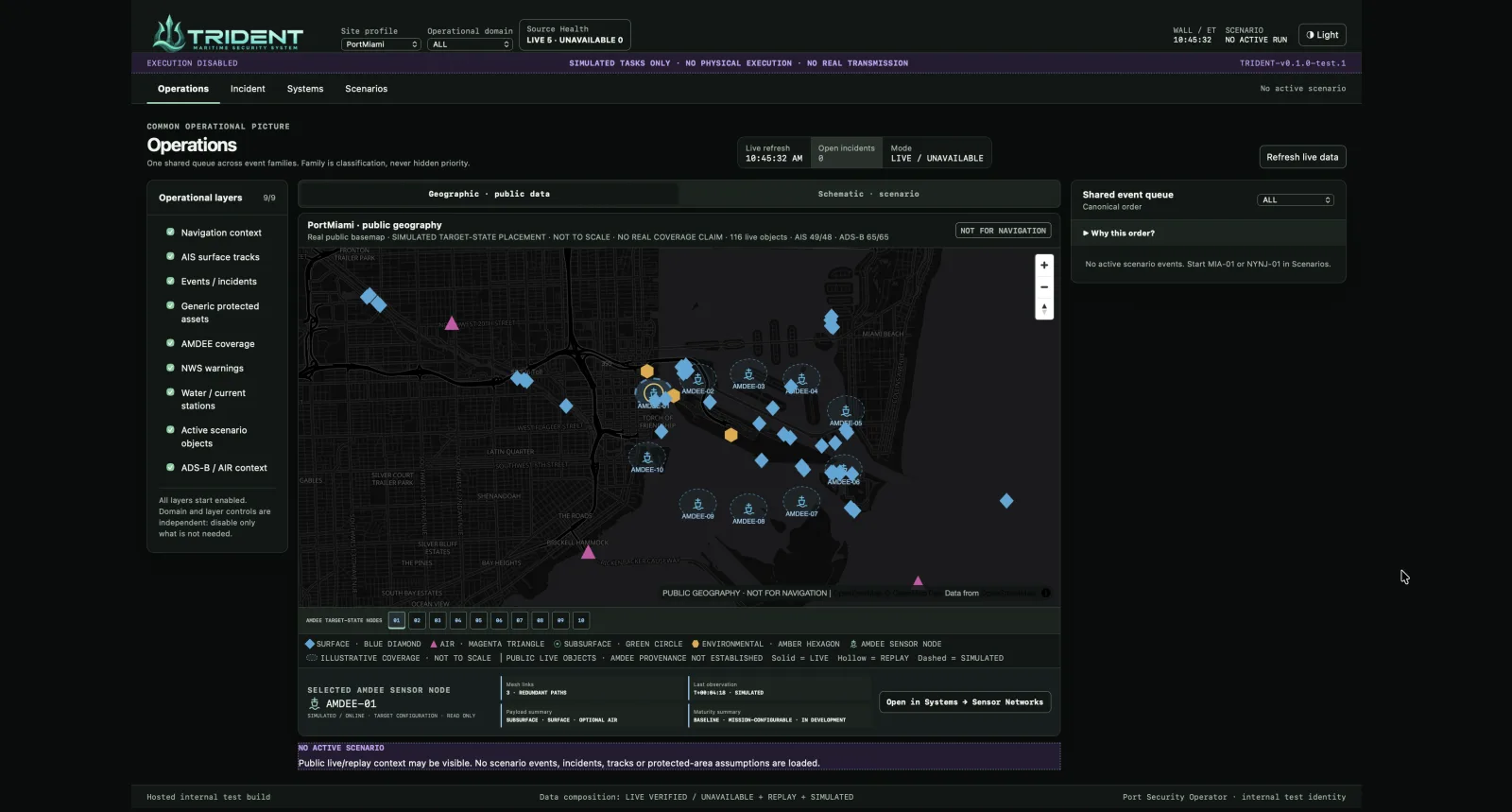
Common operational picture
Live, replay and simulated context remain visibly separated in one reviewable map workspace.
02
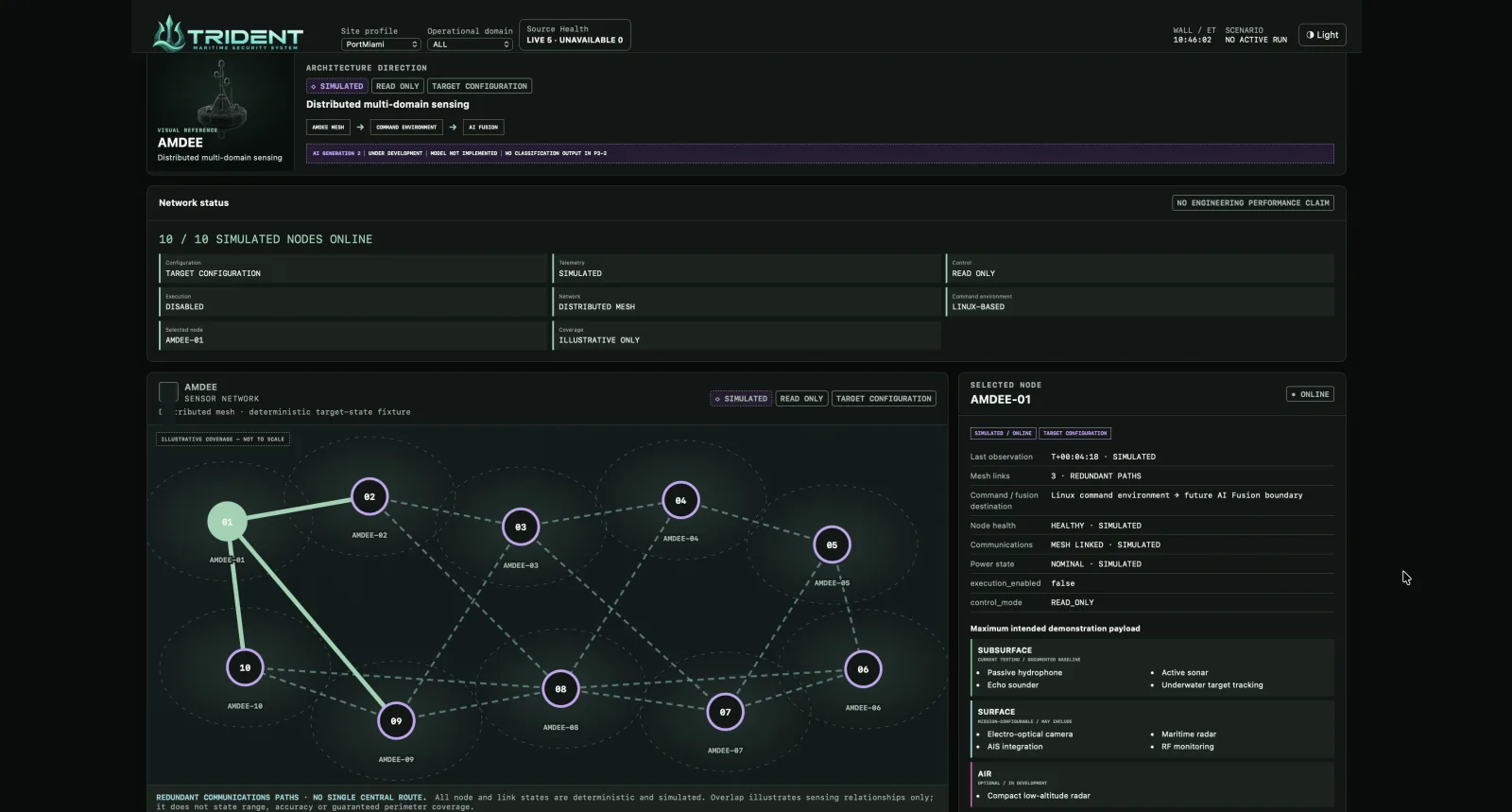
System-level visibility
Sensor architecture, node status and mission boundaries remain available for technical review.
03
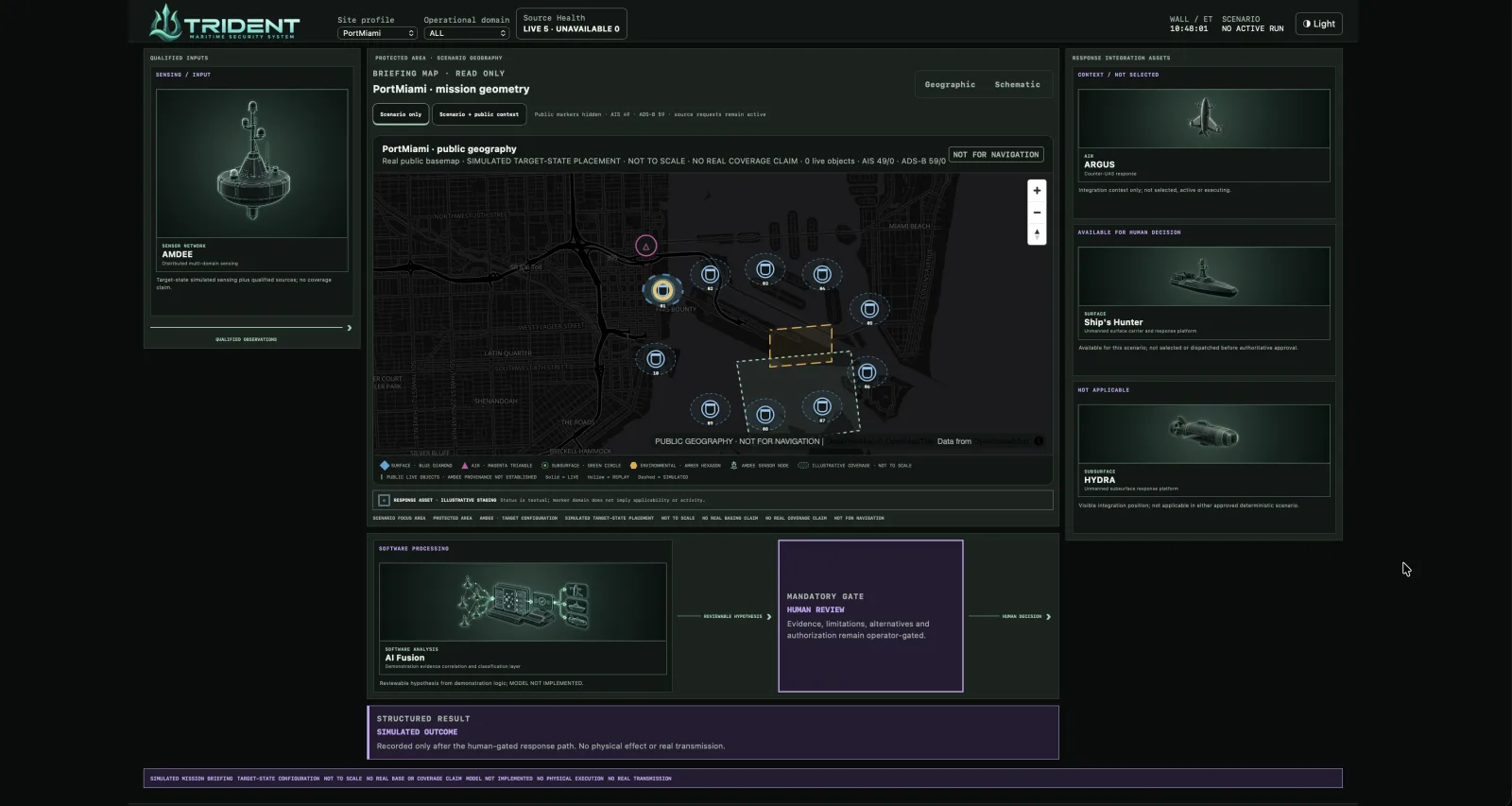
Mission briefing
Qualified inputs, response options, AI Fusion and mandatory human review share a single briefing view.
Mission demonstrations
See the operator workflow in motion.
Follow two controlled geographic scenarios from initial observation through human review, simulated response and a traceable recorded outcome.
Simulated geographic scenarios for demonstration purposes. No customer deployment or operational use is implied.
Technology ecosystem
Independent capabilities. One controlled workflow.
TRIDENT is designed as an integration environment. The current software demonstration represents the following technology directions without claiming live physical integration.
Distributed sensing architecture
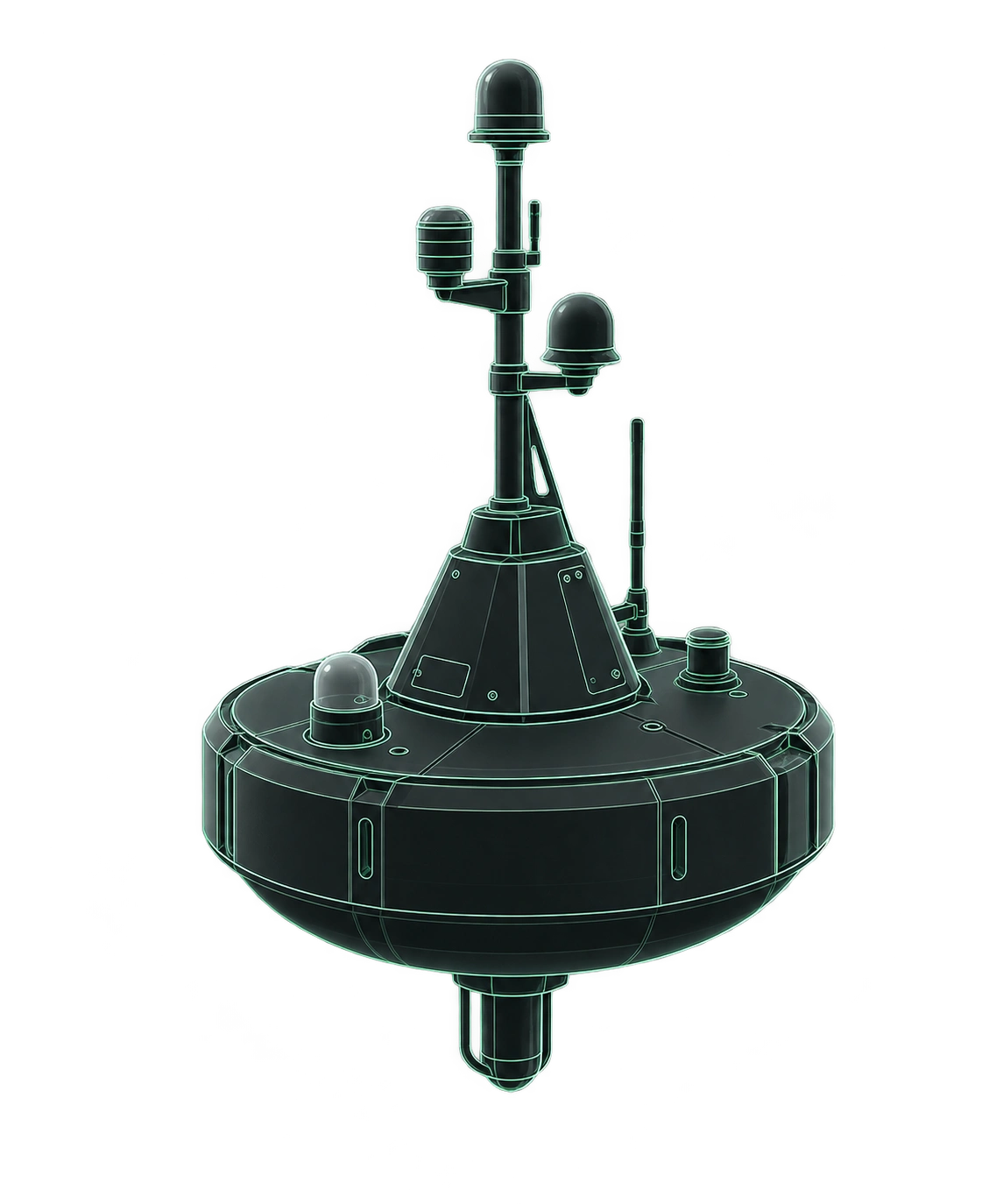
AMDEE
A distributed maritime sensing architecture centered on autonomous nodes, modular sensors and resilient networked awareness. In the current TRIDENT prototype, AMDEE is represented as a simulated sensing layer supporting surface and subsurface context.
Simulated integration
Maritime platform direction
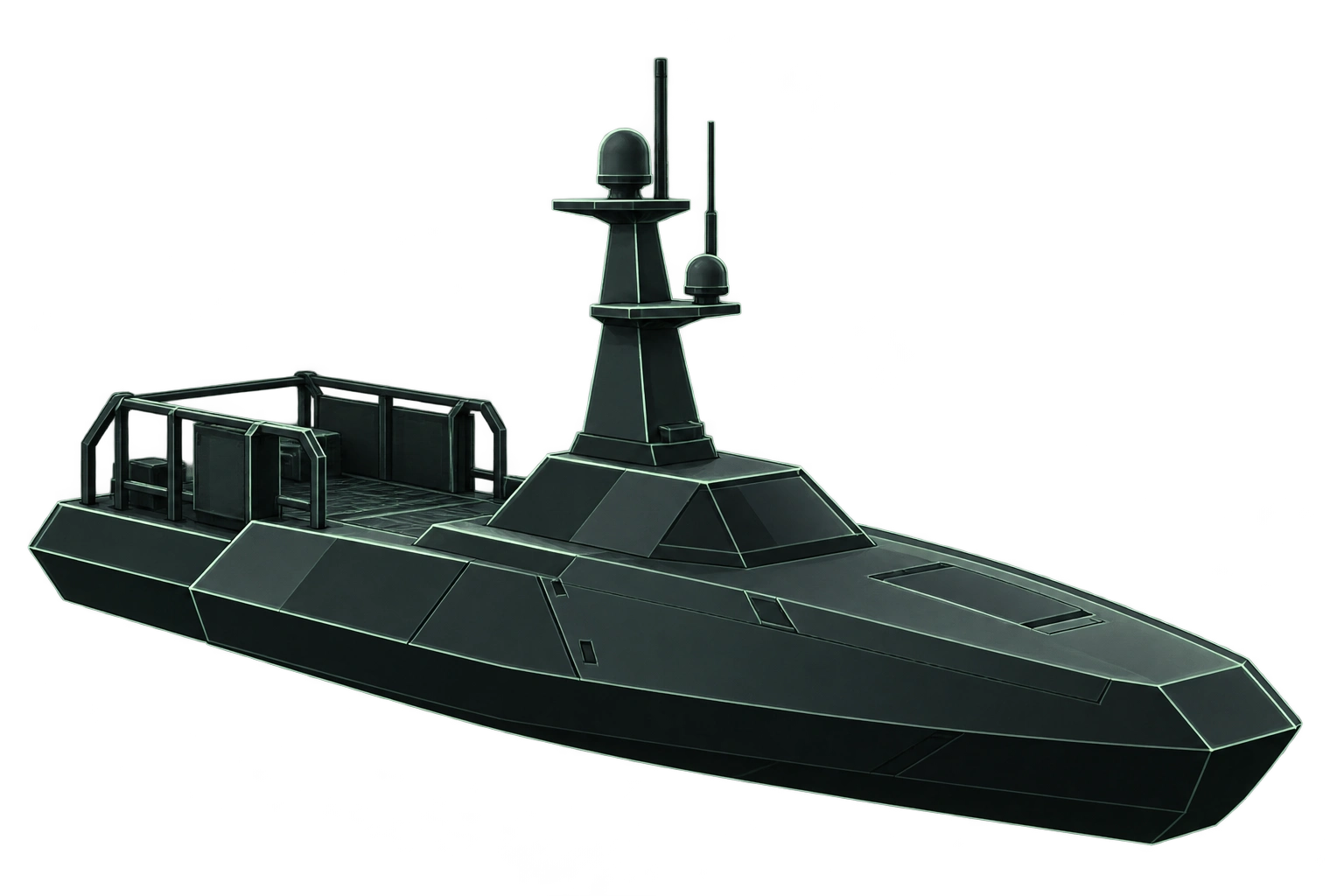
Ship’s Hunter
A reusable semi-submerged autonomous maritime platform direction designed around low-signature operation, modular mission configuration and human-authorized tasking. In the prototype, Ship’s Hunter appears only as a simulated response option.
Simulated response option
Air-domain architecture
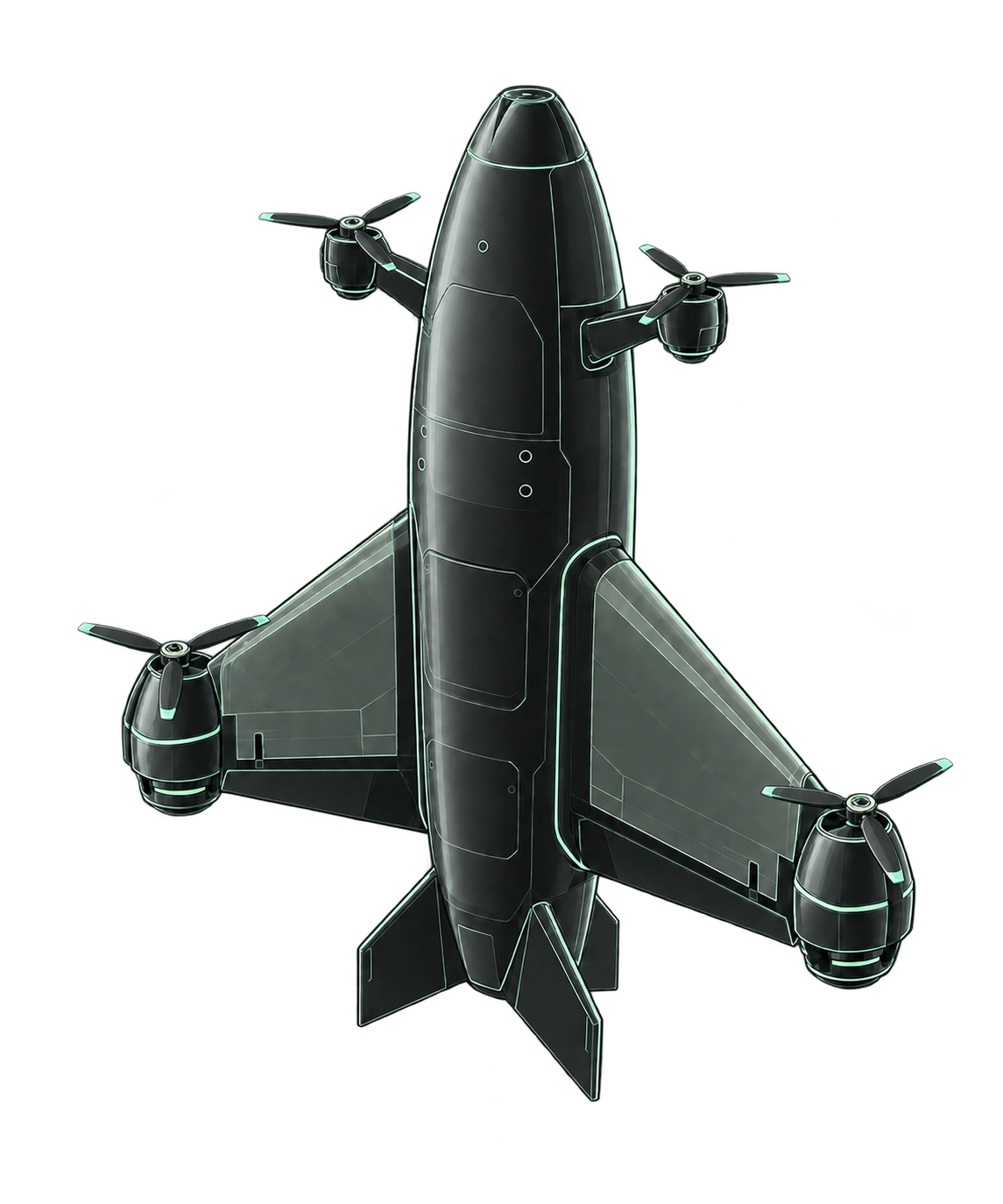
ARGUS
An open and modular air-domain architecture intended to connect sensing, decision support and compatible Counter-UAS technologies. In TRIDENT, ARGUS is represented as a simulated response option for a controlled air-domain scenario.
Simulated response option
Subsea platform direction
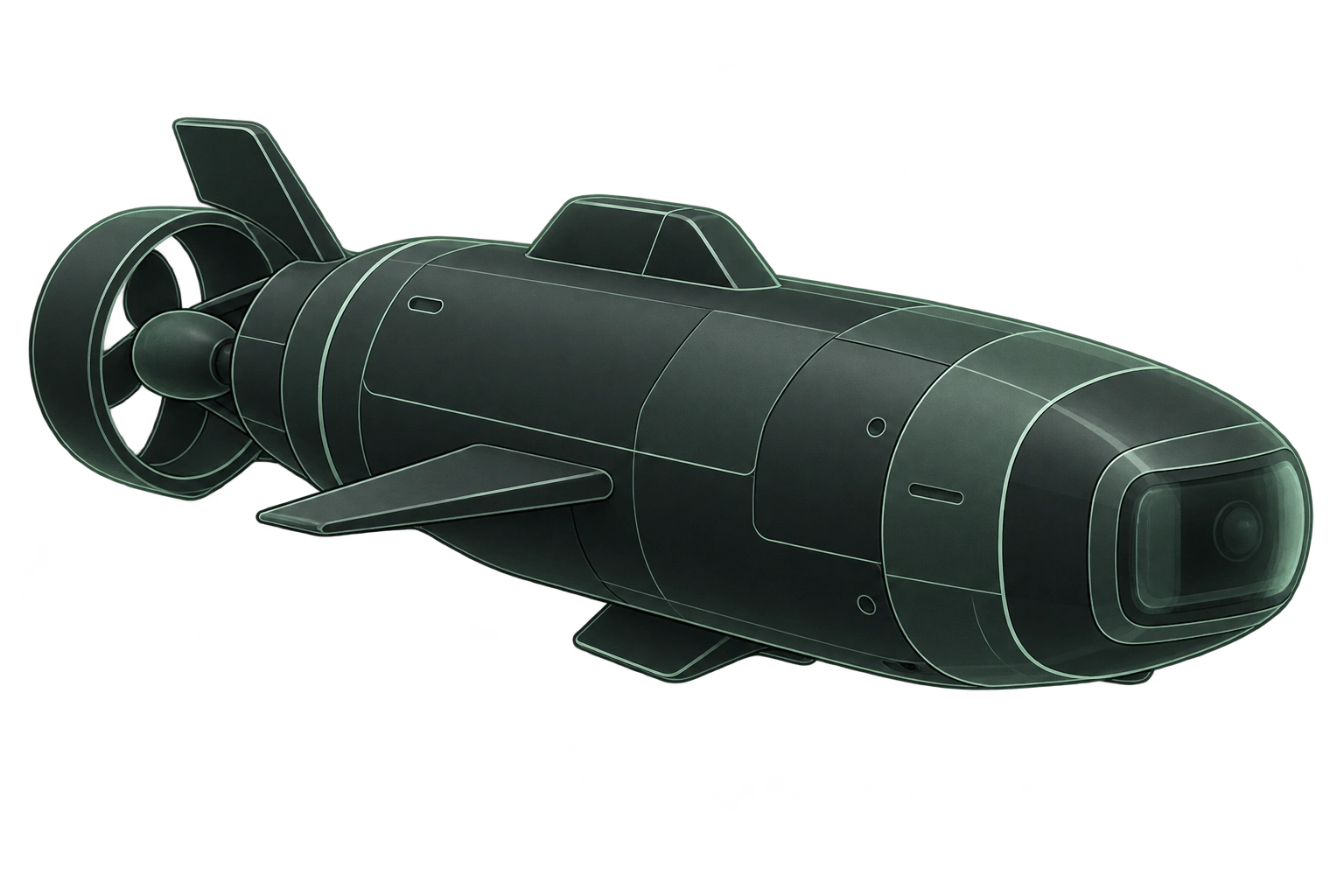
HYDRA
An autonomous subsea platform direction for inspection, monitoring and situational awareness around underwater infrastructure. Its applicability remains scenario-dependent and it is not activated when the mission domain does not support it.
Contextual technology
Software prototype
AI Fusion
A software layer that correlates multiple sources, presents controlled classification hypotheses, preserves evidence and revision history, and supports human decision-making. The current prototype uses deterministic demonstration logic, not a validated operational AI model.
Controlled demonstration logic
Collaborate with TRIDENT
Help shape the next phase.
DualForce Labs welcomes practical conversations with maritime operators, engineers, integrators, researchers, founders, and investors. There are three useful ways to participate:
01
Discuss a scoped pilot
Define a limited operational question, an evaluation environment, and clear success criteria.
02
Contribute a test scenario
Propose a representative task or authorized dataset that can test evidence handling and operator review.
03
Explore an integration partnership
Examine how a specific sensor, data source, or platform interface could be evaluated with TRIDENT.
Pilot scope, equipment availability, access, and timelines are agreed separately.
TRIDENT is developed by DualForce Labs as an integration and evaluation environment for emerging maritime sensing, autonomy and decision-support technologies.